
Durban weather at a glance
Durban lies on the Indian Ocean coast of KwaZulu-Natal, and the tourism authority describes its climate as subtropical. Monthly mean temperatures stay between about 17 and 25 degrees Celsius over the year. Rain falls in every month, but the totals are clearly higher from November to March than from May to August.
The numbers on this page are monthly normal values for the Durban airport station (WMO 68588, 8 m above sea level), published in a Japan Meteorological Agency climate table. They describe the typical year, not a forecast, and they cannot tell you the weather on a given day. Check a forecast a few days before you travel. This page is independent and not run by a weather service.
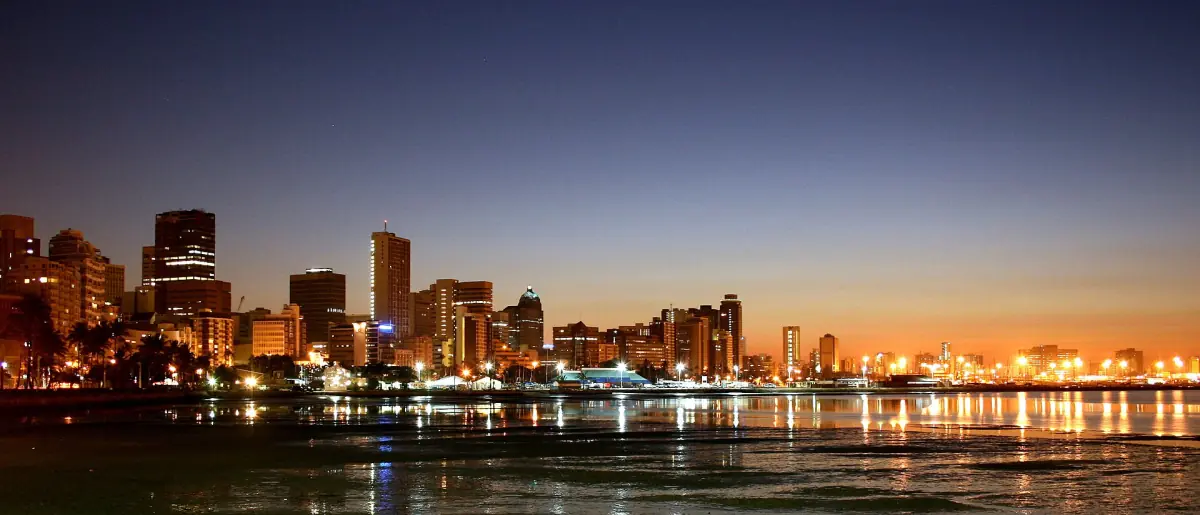
Durban weather month by month
Monthly normal values for the airport station: mean temperature and total rainfall.
| Month | Mean temperature | Rainfall |
|---|---|---|
| January | 24.6 °C | 138.0 mm |
| February | 25.1 °C | 117.6 mm |
| March | 24.1 °C | 93.3 mm |
| April | 22.1 °C | 81.1 mm |
| May | 19.8 °C | 29.1 mm |
| June | 17.5 °C | 32.0 mm |
| July | 17.2 °C | 56.6 mm |
| August | 18.4 °C | 30.5 mm |
| September | 19.6 °C | 70.7 mm |
| October | 20.5 °C | 97.1 mm |
| November | 21.9 °C | 125.2 mm |
| December | 23.5 °C | 116.3 mm |
The twelve monthly rainfall values add up to about 990 mm. The table gives monthly means only, so it does not show daytime highs or night-time lows. It also does not show sea temperature.
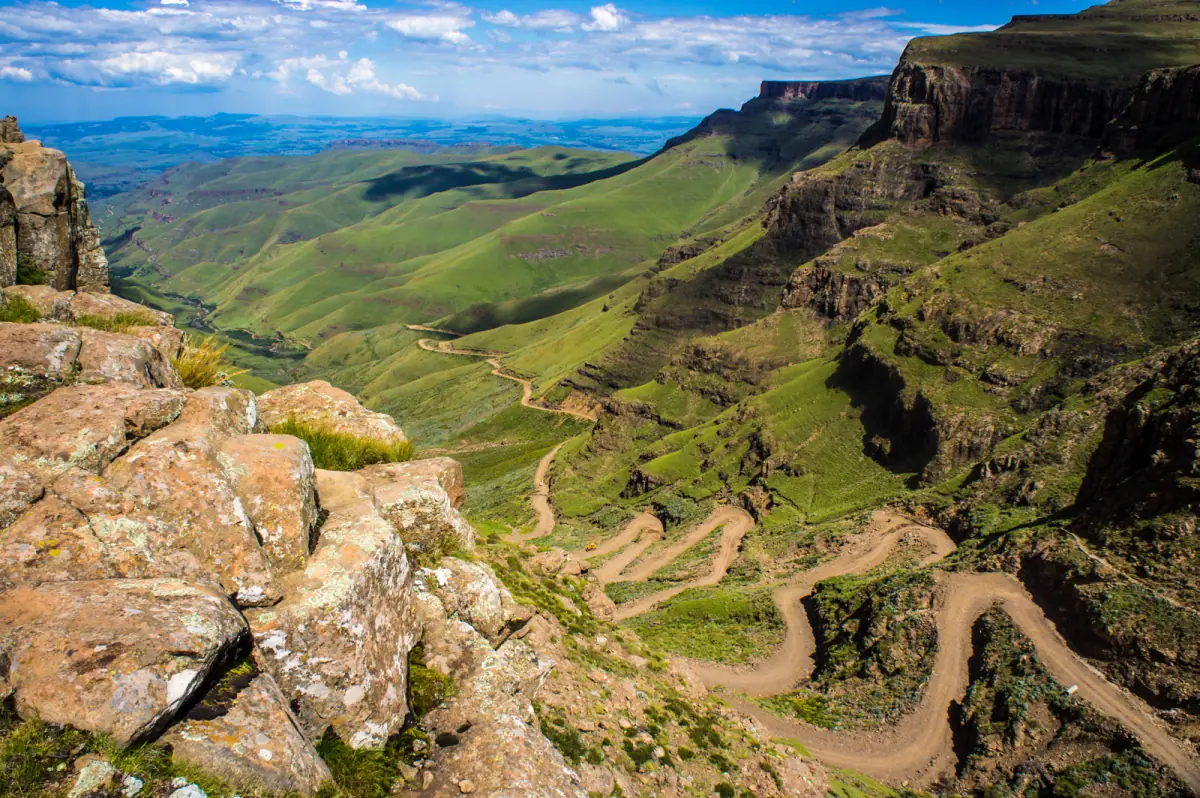
Our pick: the Sani Pass day trip
Snow can close the pass and cancel the trip, and a passport is needed at the border posts. The monthly means in the table do not show that risk.
Hand-picked tours, booked through Viator. Prices are indicative starting prices in US dollars (as of October 2026). Tap a tour for live availability and the current price in your currency.
Tours from Durban through the year
Safaris, mountain trips and city tours, with live prices and availability.
The seasons in Durban
Read from the table above.
December to February
The warmest stretch, with monthly means of 23.5, 24.6 and 25.1 degrees. Rainfall is high, between 116 and 138 mm a month, so plan for showers.
March to May
Temperatures ease from 24.1 to 19.8 degrees and rainfall falls from 93 mm in March to 29 mm in May.
June to August
The coolest months, with means between 17.2 and 18.4 degrees and low rainfall of 30 to 57 mm. July is the wettest of the three.
September to November
Warming up, from 19.6 to 21.9 degrees. Rainfall rises from 71 mm in September to 125 mm in November.
Weather and your plans
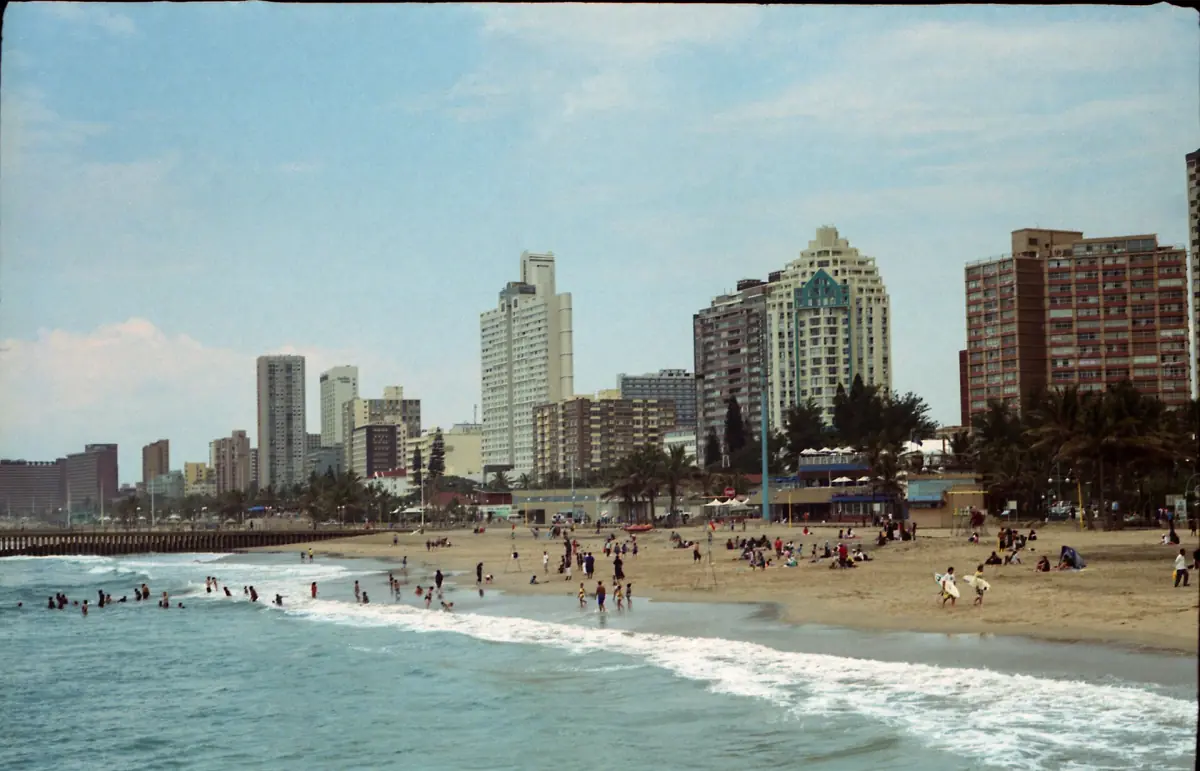
The seasons affect more than the sun. Safari gates in Hluhluwe-iMfolozi open from 05:00 to 19:00 from October to March and from 06:00 to 18:00 from April to September, so summer days are longer. In the Drakensberg, snow can close the Sani Pass, and operators advise warm clothing even when the day starts sunny. Mountain weather differs from the coast, and the table above is for Durban only.
Sea life follows its own calendar. Humpback whales are reported off Cape Vidal roughly from June to November, and turtles nest from November to March. The sardine run, a shoal movement along the coast, is described as a June and July event. None of this promises a sighting at a Durban beach.
For beach days, read the beaches page for swimming rules, and see the safety page for general advice.
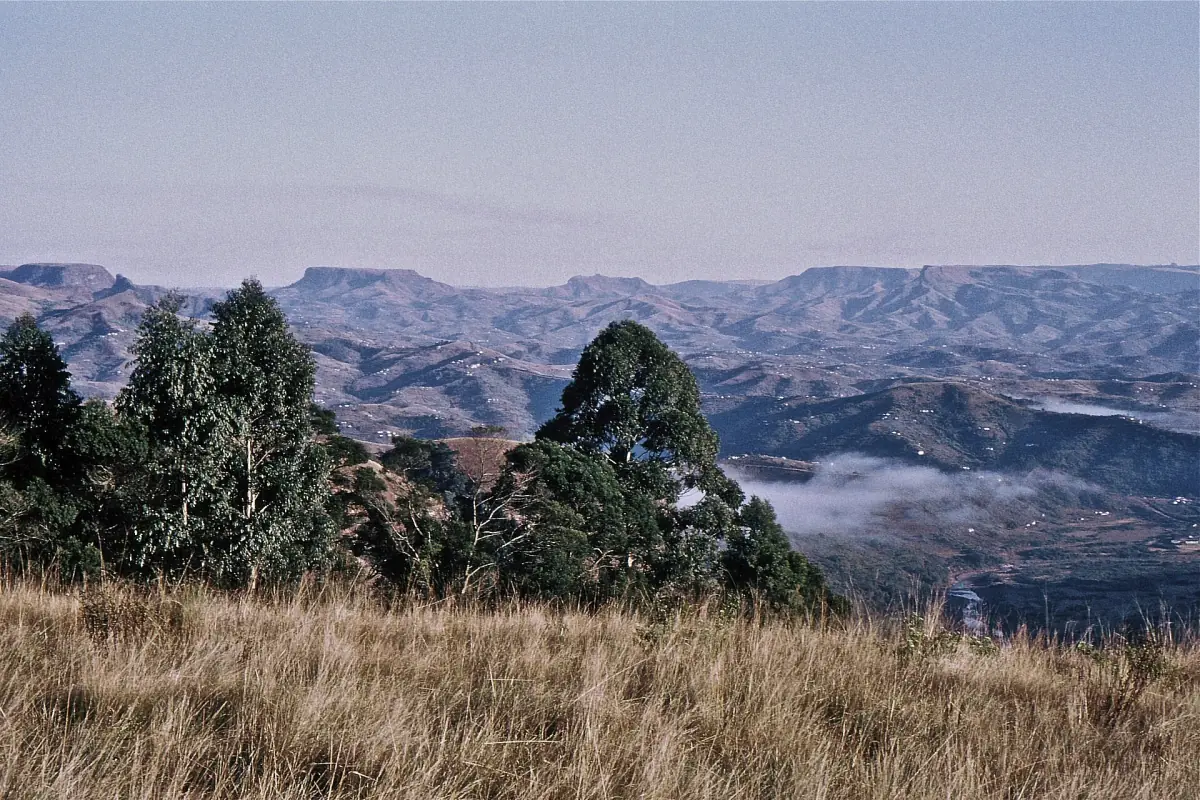
Seasonal events around Durban
Timings as published by operators and the park authority. They are periods, not promises.
| What | When | Note |
|---|---|---|
| Safari gates, Hluhluwe-iMfolozi | 05:00–19:00 October to March, 06:00–18:00 April to September | General rule; check for closures |
| Humpback whales, Cape Vidal | About June to November | Observation possible, no guarantee |
| Turtle nesting, Cape Vidal area | November to March | Park authority season |
| Sardine run | June and July | A coastal event, not a fixed show at Durban beaches |
| Ragged-tooth sharks, Aliwal Shoal | Especially June to November | One dive operator says not every dive sees sharks |
| Sani Pass | Snow can close the pass | Tours can be cancelled; bring warm clothing |
Plan the rest of your trip
Pages that depend on the season.
Durban weather: frequently asked questions
What is the warmest month in Durban?
February, with a monthly mean of 25.1 degrees Celsius in the airport values, followed by January at 24.6 degrees.
What is the coolest month?
July, with a monthly mean of 17.2 degrees. June is close at 17.5 degrees.
When does it rain most?
January has the highest total at 138.0 mm. November to February are all above 115 mm. May, June and August are the driest, each with 33 mm or less.
Is winter dry in Durban?
Drier than summer, but not dry. July averages 56.6 mm in the table, and any single week can be wet or dry.
When is the best time to visit?
It depends on what you want. Summer is warmest and wetter, winter is cooler and drier, and safari gates stay open longer from October to March. Whale watching at Cape Vidal runs roughly June to November.
Does the table show the sea temperature?
No. It gives air temperature means and rainfall only, so check a current sea report for swimming plans.